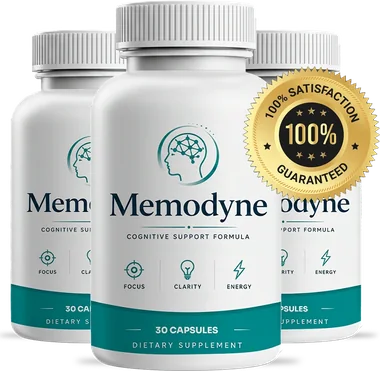
Research
Memodyne Research: 0 Trials, 5 Public Sources on the Parts
No published trial tested the Memodyne formula, so there is no Memodyne research to quote. Five public sources cover its parts instead: NIH exercise data, Mayo Clinic on L-arginine, NIH on niacin, NCCIH on memory supplements and FTC and FDA warning letters. Each one is summarized here, with the numbers.
Written by the Memodyne editorial team · Medically reviewed by Dr. Joette James, PhD, medical reviewerReviewed · Updated · 7 min read
The verdict
Is there any research on Memodyne?
There is research on some of the parts. There is none on the formula.
No study has tested the seven-line Memodyne capsule in people. The lot reference MEM-26/ME-3689 and the CoA reference MEM-3689-26-ME are batch codes from the seller. They are not studies and not lab proof.
When you search for Memodyne research, most hits are memantine studies, a prescription drug whose name looks similar but which has no tie to this supplement. So the honest answer to Memodyne research is a list of sources about the ingredients, each with its limits.
Key facts
Which research facts can you count on?
- Published trials of the Memodyne formula: 0.
- Arginine studies cited by NIH used 2-20 g a day. One capsule holds 400 mg of arginine ingredients.
- Citrulline studies used 3-8 g. One capsule holds 200 mg, and NIH calls the support weak.
- Beta-alanine studies used 1.6-6.4 g a day for up to 8 weeks. One capsule holds 40 mg.
- Mayo Clinic lists L-arginine for heart and blood vessel conditions. Memory is not on its list.
- Niacin is linked to memory only in people with a true shortage.
The sources
Which 5 public sources cover the Memodyne ingredients?
| Source | What it covers | What it says for Memodyne's lines |
|---|---|---|
| NIH Office of Dietary Supplements, exercise fact sheet | Arginine, citrulline and beta-alanine in sport | Doses of 2-20 g, 3-8 g and 1.6-6.4 g; memory is not covered |
| Mayo Clinic, L-arginine | Uses, side effects and interactions | Heart and vessel uses; no memory use; seven medicine groups to watch |
| NIH Office of Dietary Supplements, niacin | Needs, limits and shortage | Daily Value 16 mg NE; ceiling 35 mg from pills and fortified foods |
| NCCIH, supplements for cognition | Supplements and memory or dementia | No direct evidence that supplements prevent dementia; tell your providers |
| FTC and FDA warning letters, 2019 | Claims about Alzheimer's and dementia | Disease claims need well-controlled human studies |
We cite only sources named on this site. Review pages, forum posts and paid press releases are never used as evidence.
Sources: (NIH ODS, Exercise supplements) (Mayo Clinic, L-arginine) (NIH ODS, Niacin) (NCCIH, Supplements for cognition) (FTC, Alzheimer's claims letters).
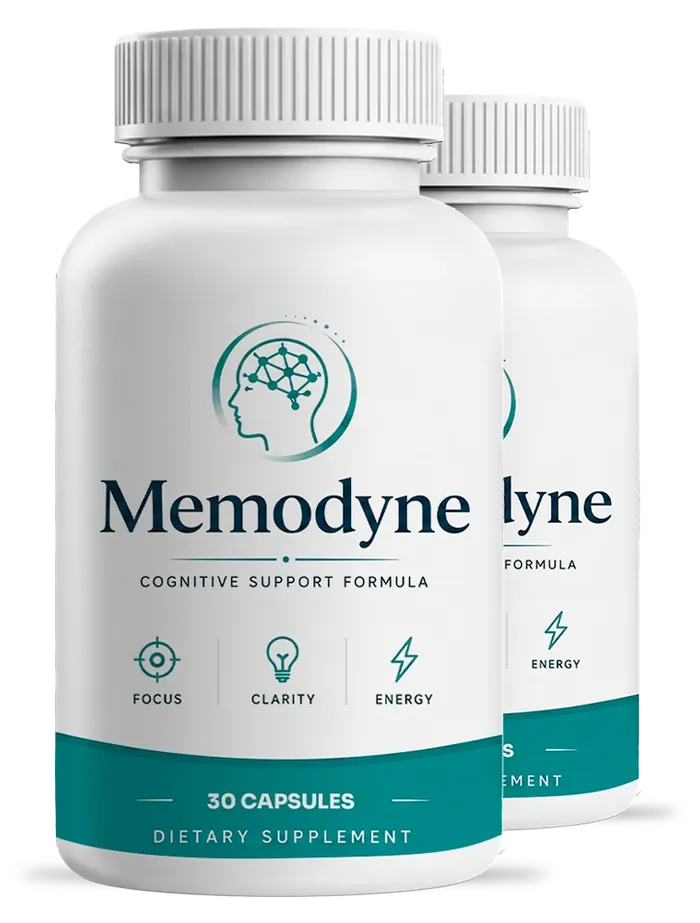
If you decide to run your own check, the sales page lists the packs and the 60-day terms, which are the only trial window you are offered.
We earn money when you buy through our order links.
Exercise data
What does the NIH exercise research say about arginine, citrulline and beta-alanine?
It says very little about memory, because memory was not the question. The trials measured workouts.
- Arginine: doses of 2-20 g a day changed performance little or not at all, and usually left nitric oxide and blood flow as they were. Amounts up to 9 g a day were well tolerated over several weeks. Intakes of 9-30 g brought diarrhea, nausea and slightly lower blood pressure.
- Citrulline: 3-8 g were studied, and the evidence is called weak. In one trial of 41 weightlifters, 6 had stomach discomfort at 8 g. Nonathletes took up to 6 g a day for 4 weeks without problems.
- Beta-alanine: 1.6-6.4 g a day looked safe for up to 8 weeks. Harmless tingling starts near 800 mg in one dose and fades in 60-90 minutes.
Now set one capsule beside those numbers: 400 mg of arginine ingredients, 200 mg of citrulline ingredients and 40 mg of beta-alanine. The capsule is about one-fifth, one-fifteenth and one-fortieth of the smallest studied amounts (NIH ODS, Exercise supplements).
Heart and vessels
What does Mayo Clinic say about L-arginine?
Mayo Clinic reviews L-arginine for conditions of the heart and blood vessels: angina, high blood pressure, preeclampsia, erectile dysfunction with a physical cause and peripheral artery disease. Memory and thinking are not on the list (Mayo Clinic, L-arginine).
The page also covers cautions. People who recently had a heart attack are told to avoid it. Possible side effects include bloating, cramps, loose stools, nausea, gout flares, allergy and worse asthma. Interactions are listed for blood pressure drugs, nitrates, sildenafil, isoproterenol, blood thinners, diabetes drugs and potassium-sparing diuretics.
For a buyer, this is the most practical source on the page. It does not say whether Memodyne works. It does tell you which medicines to bring to a pharmacist.
Niacin and cognition
What do NIH and NCCIH say about niacin and memory supplements?
The NIH niacin sheet gives the Daily Value as 16 mg NE. One capsule holds 7.5 mg NE, which is 47% of it. Adults should keep niacin from pills and fortified foods at 35 mg a day or less, and flushing is tied to about 30-50 mg of nicotinic acid (NIH ODS, Niacin).
On memory, niacin matters in one narrow case. Pellagra, a severe shortage, can bring memory loss, and restoring niacin helps then. With a normal diet, extra niacin is not shown to sharpen recall.
NCCIH is blunt about supplements and dementia: direct proof of protection is missing for all of them, and a supplement is no reason to delay seeing a provider about memory changes (NCCIH, Supplements for cognition).
A three-question filter
How do you read any research claim on a supplement page?
Who was studied?
People, animals or cells in a dish? Lab and animal results often fail to carry over to humans.
At what dose?
Is one serving anywhere near the amount that was studied? Grams in a study are not milligrams in a capsule.
What was measured?
A body marker, or memory you would notice? A marker can move without any change in recall.
Add a fourth step for the page itself. If it says clinically proven without naming a trial, ask which one. In the FTC's view a health claim needs solid science, and customer stories are not that kind of proof (FTC, Health claims).
Results
Are there Memodyne before and after results or a fact check?
We publish none, and we think that is right. A before and after story is one person, one photo or one score, and it cannot show that the capsule caused anything. Rest, stress, a new daily walk or simple chance can all change how you feel.
A fair fact check of Memodyne comes down to a short list: the label prints every amount, the doses are far below the studied ones, no trial of the formula exists, and the 60-day refund window lets you test it on yourself. Our 60-day plan shows how to keep your own notes.
Memodyne is a dietary supplement. It is not FDA approved, and no supplement is. It does not diagnose, treat, cure or prevent any disease. Forgetting that gets in the way of daily life is a reason to see a doctor.
FAQ
Frequently asked questions
Is there research on Memodyne?
Not on the formula. No published trial tested the seven-line capsule. There is research on some of its parts, mostly for exercise, and it used gram doses far above one capsule.
Where does Memodyne research mention memantine?
Search results for Memodyne research often show studies of memantine, a prescription drug for Alzheimer's disease. The names look alike, but the drug and the supplement are unrelated.
What does NIH say about arginine and nitric oxide?
In the NIH exercise fact sheet, 2-20 g of arginine a day usually did not change nitric oxide or blood flow in athletes. One Memodyne capsule holds about one-fifth of the smallest of those amounts.
Does Mayo Clinic list memory as a use of L-arginine?
No. It lists heart and blood vessel conditions. It also names medicines that can clash with L-arginine and advises against it after a recent heart attack.
Does niacin help memory?
Only when someone has a true shortage, such as pellagra. With normal intake, our sources show no recall benefit from extra niacin.
Are lot and CoA numbers research?
No. They are reference codes from the seller. A real certificate of analysis would name a lab, the tests and the results, and none is published.
Our view
Our view
The research behind the parts of Memodyne is real, but it answers other questions. It asks how athletes lift, sprint and tingle. It does not ask how a person remembers a name.
That gap is the honest summary. Keep expectations small, ask your pharmacist about L-arginine and use your own notes inside the 60-day window. If memory worries you, see a doctor first.
Research on the parts is not research on the whole capsule. If you still want to try it, the sales page shows the live price and refund terms.
We earn money when you buy through our order links.
Last updated
Who wrote this
Written and reviewed by
Plain-language pages built from the label, the sales page and linked public health sources.
Last updated . Read our editorial standards and how we check reviews. This website is run by a USA authorized retailer that sells Memodyne, not by the maker (the label says distributed by Gex Corporation LLP, Ogden, UT). We earn money when you buy through our order links.